
Gen Z Marketing: The Buying Behavior of New Consumers
Discover the consumption habits and behavior of Generation Z to optimize your digital marketing and effectively engage the consumers of tomorrow.
March 12, 2026
Generation Z is now a major force in the job market.
As a generation that is intrinsically linked to the digital age from birth, it has already left its mark by influencing consumer habits and redefining brand interactions on social networks. In addition, its purchasing power is only growing, increasingly influencing the global economy.
Faced with this phenomenon, businesses are forced to rethink their strategy to adapt to its distinct preferences if they want to win and maintain the loyalty of these new types of consumers.
What is particularly remarkable is the profound change in values that we are seeing within this demographic group. This young generation places authenticity and transparency at the heart of its priorities. She is less interested in owning material goods than in the shopping experience itself and aspires to establish an authentic relationship with brands whose values align with hers.
In this article, our aim is to provide you with an in-depth look at who Generation Z really is and how they are shaping current consumer trends. We will also reveal the best marketing strategies to adopt to effectively engage this group of consumers, who are certainly more demanding, but also more involved and committed than ever.
Who is Generation Z?
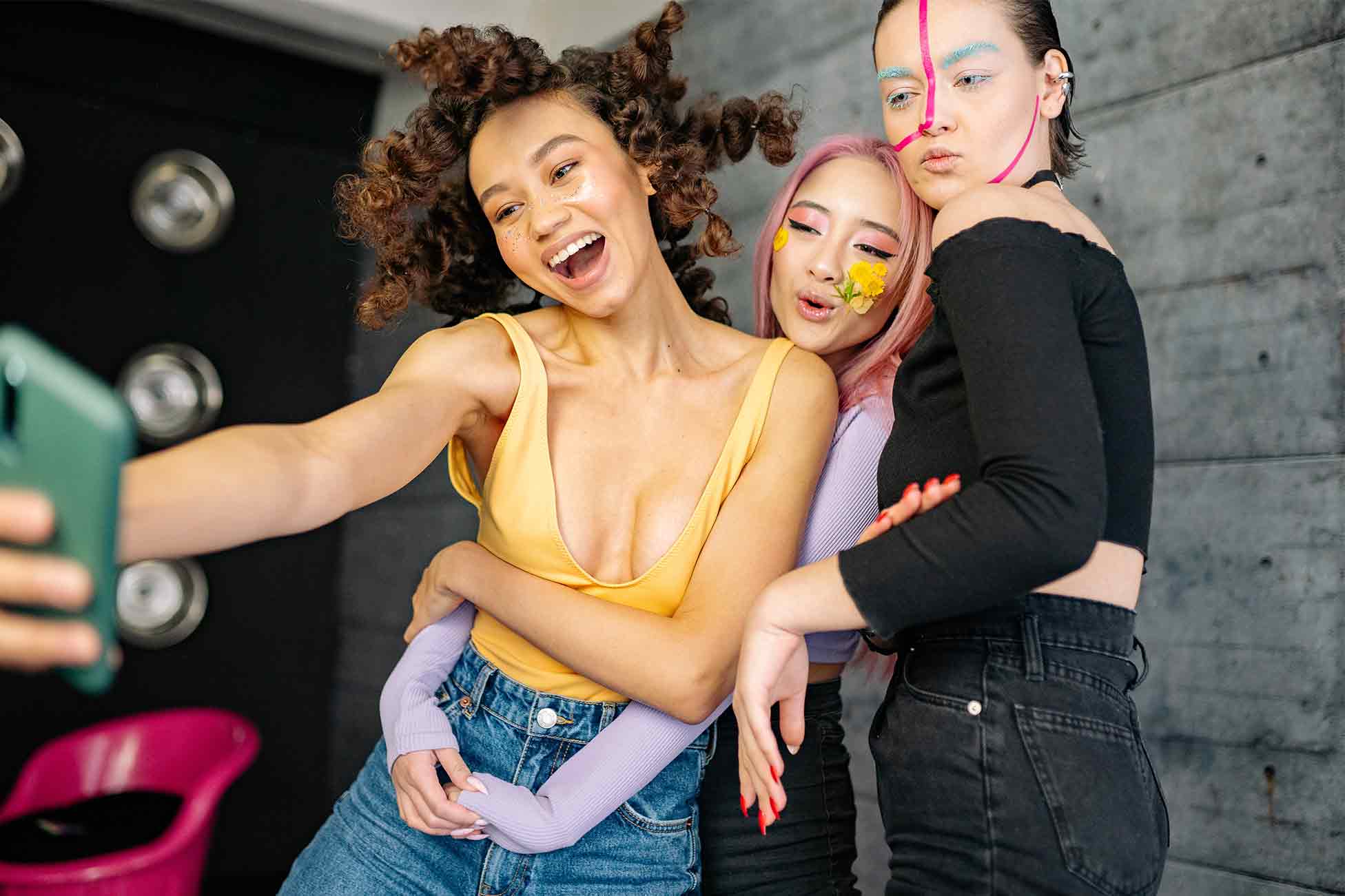
Born between 1997 and 2009, Gen Z is in the process of forming, by 2030, A third of the French working population. This generation stands out in particular for being the first to have emerged in the digital age, having never known a world without the Internet.
The American media The Economist Described it as more educated, presenting a ethnic diversity bigger and showinggreater empathy. A study carried out by Stanford University also sees Gen Z as being more collaborative, genuinely concerned about others, and taking a more pragmatic approach to solving problems inherited from previous generations, such as climate change.
Deeply affected by the pandemic, which has generated a significant level of anxiety, Gen Z is also distinguished by its idealism pronounced. It embodies a new era of progressive and inclusive consumers. In general, Gen Z members believe that each individual has the power and responsibility to take action to protect the environment and to build a more just society.
More than any previous generation, Generation Z requires institutions and, above all, brands, an increased level of accountability, transparency and sustainability.
Understanding the consumer behavior of Generation Z
This promising generation, which will see its revenues increase by more than nine times over the next decade, will grow from 25 billion euros in 2019 to an impressive 213 billion euros in 2030 on a global scale.
It is therefore of crucial importance to understand the approach that this young generation has to interact with brands and the criteria they use to select a product or service differ significantly from those of previous generations.
First, and even before considering the price, she values the quality and authenticity of a brand. Recommendations from those around him, other consumers, and especially influencers, play a crucial role in his buying decisions. As a result, traditional marketing is no longer enough to effectively reach and convert Gen Z consumers.
- 63% of Gen Z members believe that quality is the most important factor when it comes to choosing a brand.
- 45% say they are more likely to choose a company that has been recommended by a friend.
- 73% of Gen Z consumers favor brands that reflect their own values.
Used to discovering brands and shopping online, Gen Z has high expectations in terms of the shopping experience. She wants to be able to buy a product that has been recommended to her in a few clicks, regardless of what channel she is on at any given time.
The rapid rise of social networks and influencer marketing has significantly changed buying behavior, affecting both the frequency and the amount of purchases.of Gen Z. They no longer only shop once a week or once a month, but much more frequently, and for generally smaller amounts.
What are the strategies for marketing to Gen Z?
For To attract the attention of this generation and building long-term loyalty, it is essential to understand the motivations and consumption patterns of Gen Z. This is in adjusting your offer to their buying habits, by proposing products/services that correspond to its values, and in offering a personalized experience that you will succeed in engaging this group of consumers effectively and in a sustainable manner.
{{cta}}
From digital to omnichannel shopping
Gen Z highly value speed: they want instant gratification, same-day delivery, self-service checkouts, and immediate access to the information, products and services offered to them. They expect interactions to be fast and effective.
So, 60% of Gen Z consumers won't risk using applications or websites that are slow to load or complicated to navigate.
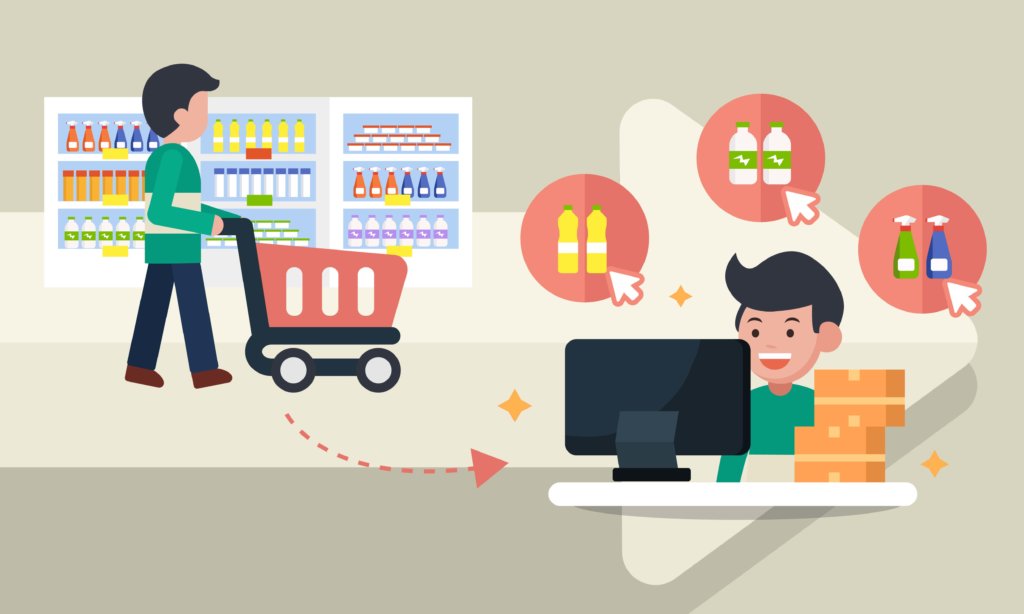
They therefore tend to favour brands that offer them an omnichannel shopping experience. For example, a Gen Z member could discover a product through an influencer, and buy it later after being exposed to a retargeting ad on social media.
And while this generation is passionate about new technologies, she also enjoys the in-store shopping experience. However, it expects brands to establish bridges between online and in-store shopping (for example via QR codes in stores to access product sheets or via the “click and collect” system).
Advice: Make sure to optimize your shopping experience across all channels and create as many connections as possible between your online store and your physical retail outlets. Also, make sure that your brand image remains consistent across all of these platforms.
Authenticity and transparency first
This younger generation of consumers are generally more skeptical about commercial messages brands. Thanks to their ease with digital technology, they have the ability to easily verify the origin of products or the consistency of the brand's discourse on social networks, and will not tolerate any inconsistency.
That's why Gen Z prefers brands that are transparent and authentic, brands that embody their values in terms of the environment, inclusion, and social justice.
Advice: Make sure that the content you post online represents and aligns with your values and commitment. Feel free to invite consumers behind the scenes of your business, and offer them a candid insight into your production methods, and other aspects of your business.
Focus on ethical and sustainable brands
Faced with the climate emergency, Gen Z consumers increasingly feel the need to change their consumption habits to promote more environmentally friendly practices.
As a result, they are more likely to spend their money on products that are durable and of better quality. For example, 80% of GenZ members prefer buying second-hand products, and a third of them have already resold at least one item in the past year.
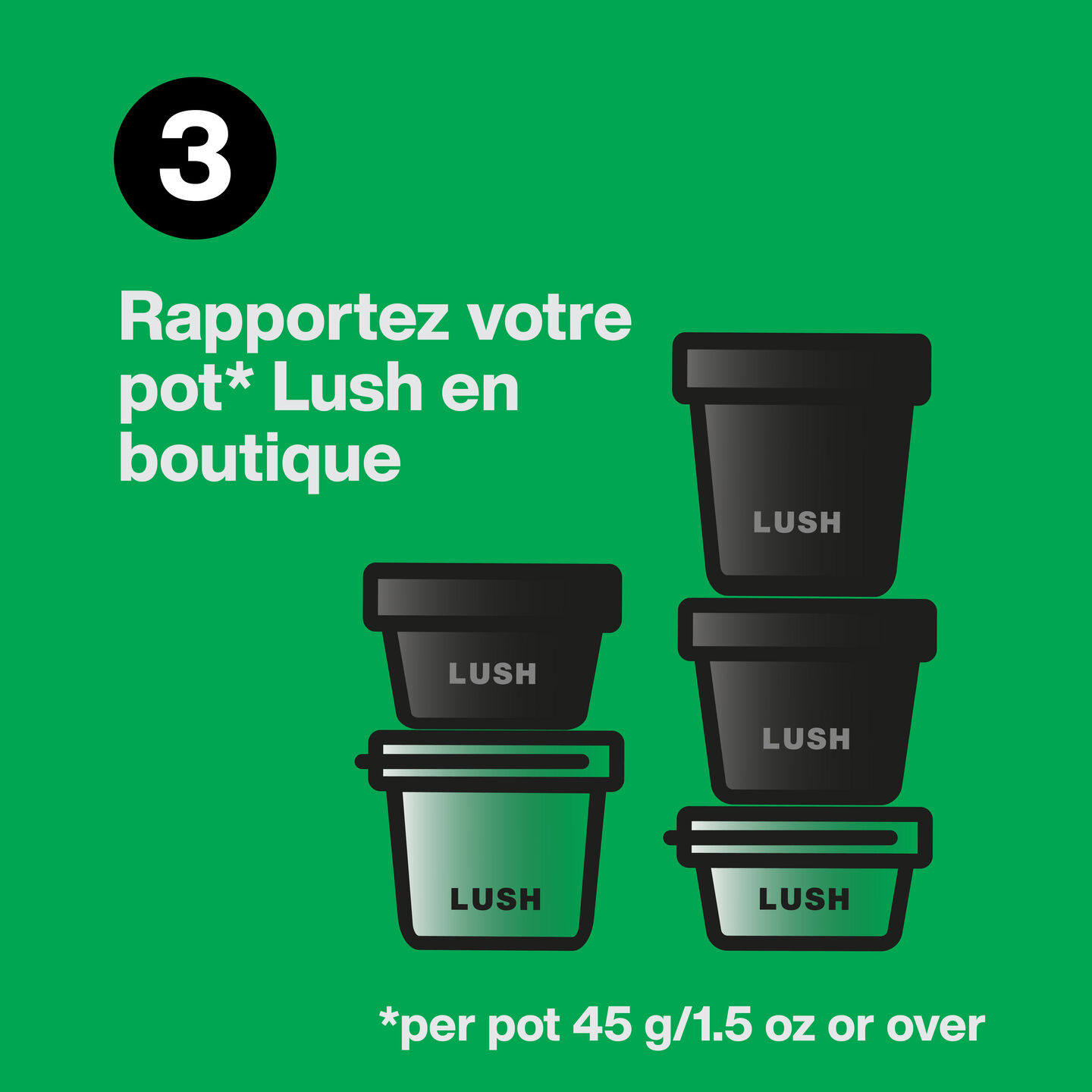
Advice: Consider how you can incorporate sustainability into the entire production cycle of your products. Focus on their recyclability, consider investing in plastic-free packaging, and make it easy to return containers (like Lush, for example).
Capitalize on the recommendation of influencers and other consumers
Gen Z's buying behaviors are no longer dictated by brand discourse, but rather by that of other consumers. In fact, 92% of them consider that Influencer recommendations on social networks are the most decisive factor in their buying decisions, far surpassing advertising, advice from store salespeople, or even celebrities.
Gen Z also enjoys buying products recommended by other consumers. They are therefore particularly interested in product tests shared on social networks and search almost systematically. Customer reviews previous ones before ordering.
Advice: Stimulate the creation of user generated content (UGC) among your customers to promote digital word-of-mouth. Also opt for partnerships with influencers that share your values, which will bring additional credibility and authenticity to your brand.
Involving Gen Z in the creative process
Gen Z is not content with being a generation of passive consumers. She seeks to establish a real connection with brands which she is buying, and in particular wants to participate in the creation of their content. That's why she favors interactive platforms like TikTok and Twitch, where she can engage directly with businesses, participate in challenges, and more.
Advice: You can even go further by inviting Gen Z to co-create your products or services. Businesses like Nideco involve their community at every stage, by allowing them to imagine the beauty product they would like to be able to buy from their brand, and then by having them vote for the most relevant idea.
Adapt your marketing to Gen Z
Adapting marketing strategies in response to Generation Z is now an essential imperative to ensure the sustainability and development of any business.
This new generation of consumers, on the rise in the labor market, has a constantly increasing purchasing power. Moreover, it has already begun to exert a major influence on consumer habits and the functioning of global trade.
Marketing to Generation Z requires a more collaborative, authentic and values-based approach. Only brands that can adapt to these new demands will succeed in earning the loyalty of this generation and thriving in the economy of tomorrow.
If you are looking for an agency capable of supporting you in the development of large-scale campaigns aimed at reaching this young generation, contact us.






.avif)