
What is influencer marketing? The complete guide
Definition, how it works, creator types and best practices: the complete guide to influencer marketing for brands.
August 25, 2026
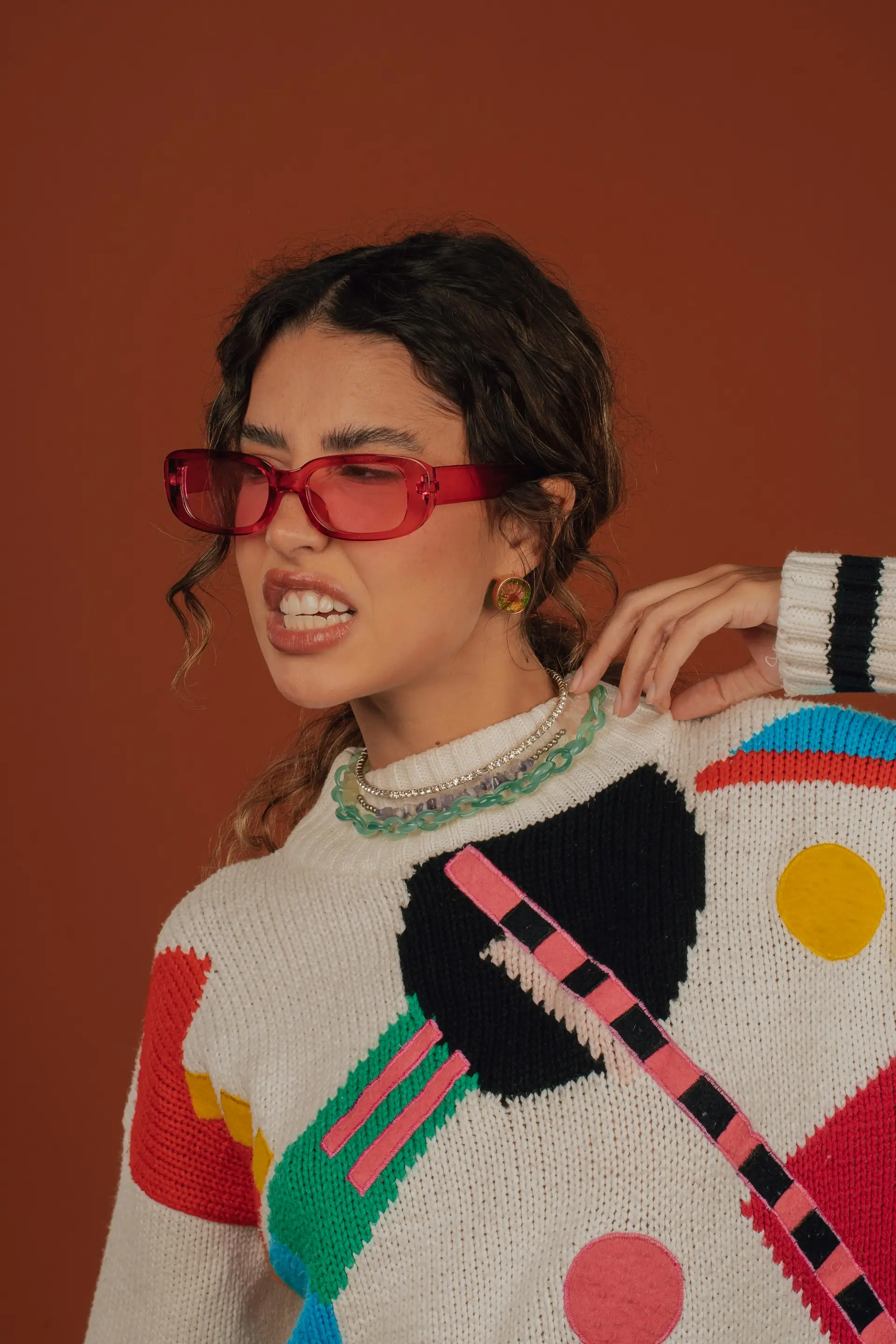
Influencer marketing is a strategy where a brand collaborates with content creators to reach their audience in an authentic way. The creator produces content that features the brand, on TikTok, Instagram, YouTube or Twitch, drawing on the trust they have built with their community. This article explains what influencer marketing is, how it works, which creator types exist, and the best practices to activate it without promising the impossible.
Influencer marketing, a clear definition
Influencer marketing is a form of marketing that relies on influential people, creators, to carry a brand message to their community. It rests on recommendation and social proof, rather than on frontal advertising.
The principle is simple: a creator has built an audience that trusts them on a specific topic. The brand partners with them to tie its product to that trust. The content takes the form of a video, a post or a live, in the creator's usual style.
This lever differs from classic advertising in its tone. Good influencer content does not look like an ad: it blends into the feed, keeps the creator's voice and brings value to the audience. That is what explains its effectiveness with new generations.
How influencer marketing works
Influencer marketing works around three players: the brand, the creator and the audience. The brand sets an objective, the creator produces the content, the audience receives it and reacts.
It all starts with a clear objective: awareness, consideration or conversion. Then comes casting, the step where the brand picks creators whose audience and tone match its target. A brief frames the message, the key points and the creative freedom.
The creator produces and publishes the content, often keeping their signature. The brand then measures performance against the initial objective. To understand how to structure these steps, our guide on the influencer marketing campaign details the full process.
Creator types and formats
A creator is usually classified by audience size: nano, micro, macro and mega. Each tier serves different objectives, and none is superior in absolute terms.
Nano and micro creators gather smaller but often highly engaged communities, useful for closeness and niche reach. Macro and mega creators offer wide reach, suited to awareness. The right choice depends on the objective, not on a fixed hierarchy. Our article on the different categories of influencers digs deeper into these tiers.
On formats, influencer marketing covers short video, posts, lives, stories, product reviews and UGC content. The format depends on the platform and the message. A platform like TikTok favours short video, while YouTube leaves room for longer formats.
Best practices for brands
A good practice in influencer marketing is to start from the objective, never from the creator. The objective guides casting, format, message and measurement metrics.
Choose creators for their fit, not only for their audience. Leave creative freedom: the creator knows their community better than anyone. Frame usage rights and duration from the start. Measure performance with metrics aligned to the objective, as our guide on influencer campaign ROI explains.
Avoid two pitfalls: promotional overload that breaks trust, and the promise of guaranteed virality. Influencer marketing acts on levers and probabilities. It raises your chances, it never guarantees an automatic result.
The role of a partner like Sleeq
Sleeq is a creative social and influence agency based in Paris, active on TikTok, Instagram, YouTube and Twitch. It supports brands from creator casting to performance metrics.
A partner like Sleeq helps translate a business objective into a coherent influence setup: creator selection, creative framing, production and measurement. The challenge stays the same: speak to audiences without losing authenticity. You can explore our influence offer or get in touch to scope your project.
FAQ
What is the difference between influencer marketing and advertising?
Influencer marketing relies on a creator's recommendation and their relationship of trust with their audience. Classic advertising broadcasts a message controlled directly by the brand, in bought space. The two can complement each other: strong influencer content can then be amplified as paid media. The difference is mostly in tone and in the source of the message. In influence, it is the creator who carries the message, with their voice and style, which strengthens credibility with their community.
Does influencer marketing work for every brand?
Most brands can activate influencer marketing, as long as they adapt the setup to their target and objective. A consumer brand will easily find relevant creators. A niche or B2B brand will target specialised creators, smaller but highly credible on their subject. What matters is not audience size but the fit between the creator, the message and the target. The lever adjusts to context rather than following a single recipe.
How do I measure the effectiveness of an influencer campaign?
Measurement depends on the objective set at the start. For awareness, you track reach and impressions. For engagement, interactions and engagement rate. For conversion, traffic, promo codes or attributed sales. It helps to define these metrics before launching, then compare results to the target. No campaign is judged on a single number: it is the combined reading of metrics that gives a reliable view of performance.
How many creators do you need for a campaign?
There is no universal ideal number. A campaign can rest on a single well chosen creator or on a group of complementary profiles. The number depends on the objective, the budget and the desired coverage. A niche activation can work with a few highly relevant creators. A broad awareness campaign often mobilises more profiles. A few truly aligned creators beat a long list with no coherence with the brand and its target.
Is influencer marketing legally regulated?
Yes, paid collaborations must be disclosed transparently to the public. Creators flag the commercial nature of the content, with a clear mention. The precise rules vary by country and platform. A serious brand ensures its partnerships respect these disclosure obligations. Beyond the legal frame, this clarity strengthens audience trust, which appreciates knowing when a piece of content is a brand collaboration.
Conclusion
Influencer marketing is a powerful lever when it starts from a clear objective, relies on relevant creators and respects the audience's trust. It is neither a magic formula nor a guarantee of virality, but a discipline you steer. To scope your first campaign or structure your approach, let's talk about your project.





.avif)